What is the TCPA?
![What is the TCPA]()
General Purpose: The TCPA is a law designed to prevent companies, including collection agencies, from robocalls, texts and various types of spam.
Dealing with a collection agency contains many challenges. Sometimes they use tactics when collecting a debt that can be very stressful. Sometimes a debt collector will engage in harassing behavior that makes you question whether it’s legal.
If you are dealing with a debt collector, you have additional protections beyond the Fair Debt Collection Practices Act (FDCPA). Consumers are also protected by the Telephone Consumer Protection Act (TCPA). This law provides additional protection in how a collection agency may contact you.
In this article, you will learn what is illegal under the TCPA. In addition, you will learn what you can do when a collection agency violates your rights under the TCPA.
What Does the TCPA Prevent?
There are certain ways in which a collection agency (and other companies) uses communication to harass a consumer. These often include repeated calls and voicemails. While this may be a violation of certain FDCPA provisions, there are additional protections.
The TCPA prevents how companies solicit consumers in various ways. This law covers communication through phone calls, Voice Over Internet Protocol (VoIP) calls, text messages and faxes.
Here are some of the harassing tactics collection agencies can no longer engage in thanks to the TCPA:
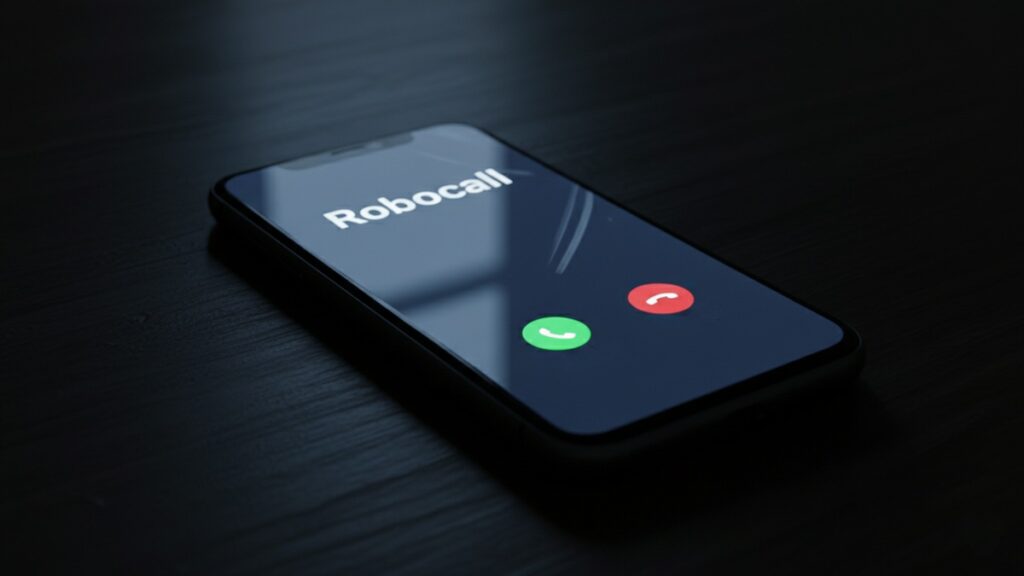
- Robocalls. A collection agency cannot use an automated dialing system to make calls to you about a debt.
- Pre-Recorded Messages. A collection agency cannot leave pre-recorded messages on your cell phone without your consent.
- Timing of the Call. A collection agency cannot make a call before 8:00 AM or after 9:00 PM.
- Opting Out. A collection agency cannot send text messages or make calls after a consumer has opted out from receiving these communications.
Under the TCPA, when making calls, a collection agency must identify themself and their company. When calling they must also provide their contact information. In addition, a collection agency must also maintain its own do-not-call list if a consumer requests not to receive any calls or text messages.
Note: Unlike the FDCPA, the TCPA applies to both third-party debt collectors and the original creditor. In fact, the TCPA applies to any person or business that solicits consumers.
What Can I Do if a Collection Agency is Violating the TCPA?
If a collection agency violates the TCPA, you can proactively put a stop to further violations. Here are some options for addressing a TCPA violation:
- Put the Collection Agency on Notice. Do this in writing and send it by certified mail. Hopefully, it’s enough for them to stop the TCPA violations. If not, you have additional evidence if you need to take legal action.
- Do Not Call Registry. Register your phone number on the do not call registry.
- Notify a Federal Agency. Another option is to submit a complaint to the Federal Communication Commission (FCC). They have the responsibility of enforcing the TCPA. You can also report the violation by submitting a general consumer complaint to the Consumer Financial Protection Bureau (CFPB).
- Offer to Settle the Debt on Your Terms. If you have proof of violations and a larger debt, consider this option. A collection agency may agree to a discounted settlement to avoid addressing a violation.
- File a Lawsuit. For ongoing violations, or if you suffer damages, consider taking legal action. There is a penalty of $500 for every TCPA violation. Willful violations increase this to $1,500.
What if I am getting calls about a debt that is not mine? When this happens, you will also want to dispute the debt. Notify the collection agency in writing that you are being contacted for a debt that does not belong to you. In addition, provide them with any proof you may have to support your dispute.
Conclusion
Some debt collectors will try to endlessly harass consumers. They will sometimes resort to this by using automated calls, pre-recorded messages and other harassing tactics.
If a collection agency is violating your rights under the TCPA, take action today. If you need assistance with your TCPA claim, consider requesting a consultation with a consumer rights attorney. They can help you identify all potential violations and advise you on what next steps you should take.
Additional Resources