What is a Charge-Off?
![Charge Off in Credit Reports]()
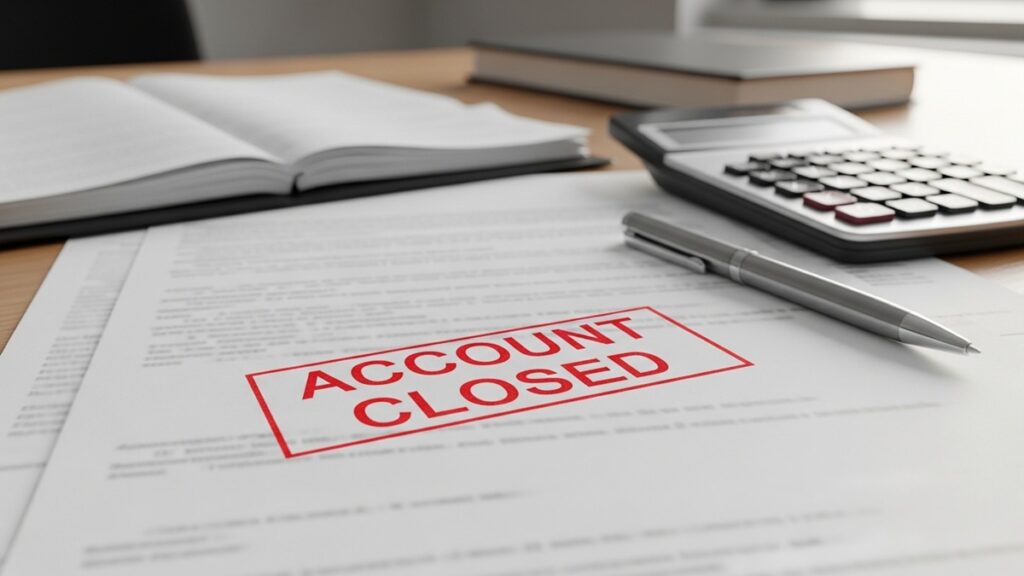
General Definition: A debt charge off is when a creditor closes an account and writes it off as a loss. A creditor may sell the debt to a third-party debt collector which you are still legally obligated to pay.
When you take out a loan or credit card, you incur a debt with the creditor. Typically the creditor will manage payments until you pay off the debt. However, after a period of non-payment (usually at least 6 months), a creditor might decide to write the debt off as a loss. After they do this they will often hire a collection agency or sell the debt.
When this happens, a third-party debt collector will now be handling your debt. As a result, the debt collection process will fall under the scope of the Fair Debt Collection Practices Act (FDCPA). This law prevents collection agencies from engaging in deceptive and harassing collection practices.
This article will help you better understand what a debt charge off is and how it impacts your situation. You will also learn about your protections under the FDCPA if a third-party debt collector takes over your debt.
What Results From a Debt Charge Off?
Every day creditors are charging off debts that they no longer believe they can recover. However, it’s important to understand how a debt charge off impacts you. A debt charge off happens when
- A consumer has not made any payments on a debt for several months;
- A creditor does not believe it can collect on a debt; and
- The creditor rights the debt off as a loss
Does that mean the debt is no longer enforceable? No. As long as the statute of limitations does not expire, the debt is enforceable.
Will the creditor still try to collect on the debt? Maybe. They may also hire a collection agency to take over the collection of the debt. Alternatively, they may sell your debt at a discount to a debt buyer.
Does this change the debt collection practice? Yes. For one, you will have to make payments to the collection agency, not the creditor. Collection agencies have a reputation for aggressive collection tactics.
Fortunately, when a collection agency takes over a debt you have additional protections under the FDCPA.
Debt Charge Off and the FDCPA
After a debt charge off, you’re likely to begin receiving communication from some type of third-party debt collector. When this happens, the collection process falls under the scope of the FDCPA. The FDCPA protects against many abusive collection practices.
Generally, this includes protection against the following:
- Deception. A collection agency cannot make any misrepresentations about themselves or the debt to get you to make a payment.
- Harassment. A debt collector cannot harass you with excessive calls, rude language or other offensive tactics.
- Making Your Debt Public. A collection agency cannot tell others about your debt or publicize it to embarrass or intimidate you.
What if the Collection Agency is Overly Aggressive?
When a collection agency takes over a debt, they may end up violating the FDCPA. Here are some examples of debt collection violations and what you can do in response.
| Violation |
How to Stop Them |
| The new debt collector calls you multiple times a day and at odd hours |
Send the debt collector a cease-and-desist letter. |
| The collection agency told a neighbor about your debt |
Submit a complaint to the Federal Trade Commission (FTC). You can also report them to the Consumer Financial Protection Bureau (CFPB). |
| A collection agency added unauthorized charges to your debt |
File a lawsuit. |
You may have the opportunity to negotiate a discounted debt settlement by using the violation as leverage.
Conclusion
While a debt charge off sounds like a good thing, you still have a responsibility to pay the debt. Unfortunately, you now may have to deal with a collection agency to pay off the debt. When this happens, sometimes you will have an aggressive or unethical debt collector.
If a collection agency is harassing or trying to deceive you, you can take action under the FDCPA. Before the behavior escalates, contact a consumer rights attorney. A consultation with an experienced attorney may help you better understand the situation and your rights.
Additional Resources