Updated on
Author: Sergei Lemberg
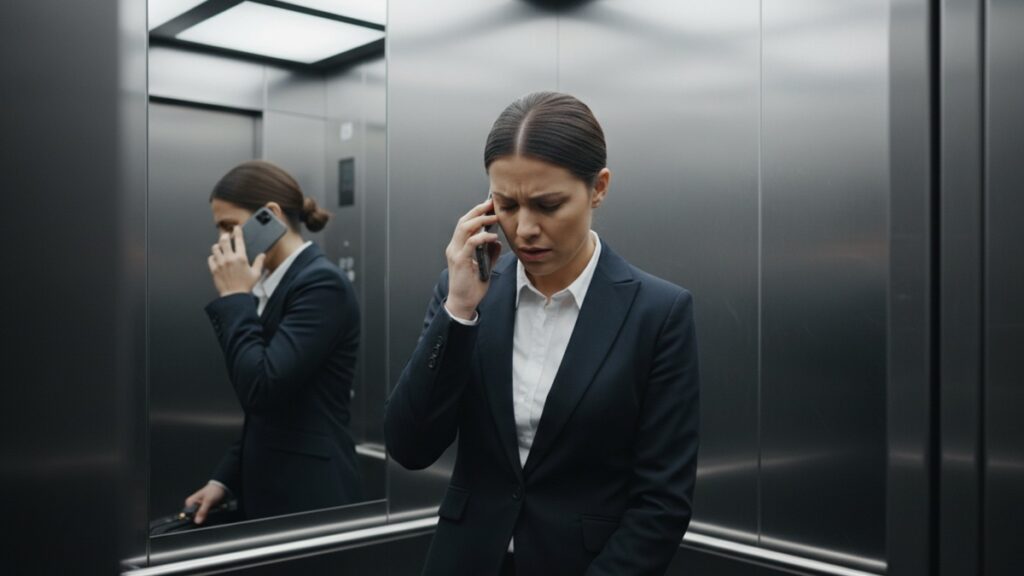
I’m filing for bankruptcy and debt collectors still call me
![Collectors Calling Despite Bankruptcy]()
General Rule: A debt collector may not call you once you file for bankruptcy. This is a violation of federal bankruptcy law and possibly additional FDCPA violations.
Many people face situations where they can no longer pay their debts. They have tried unsuccessfully for months or even years but it is no longer feasible. As a result, they decided that the best course of action was to file for bankruptcy.
The filing of a petition triggers certain requirements. These requirements are for both the person filing and those who own any of the debts listed. Debt collectors have a responsibility once they receive notification that you filed for bankruptcy. Most importantly, a bankruptcy petition restricts their communication with you.
If a debt collector continues to contact you they may violate federal bankruptcy law. This communication may lead to additional violations of the Fair Debt Collection Practices Act (FDCPA). Read on to learn about your rights when you file for bankruptcy and how to stop further harassment from collection agencies.
Bankruptcy and the “Automatic Stay”
When you file a bankruptcy petition it triggers what the court calls an automatic stay. The automatic stay prohibits debt collectors and other creditors from contacting you during this process.
You should provide a debt collector some grace depending on the timing of the bankruptcy filing. If you just filed a bankruptcy petition yesterday the collection agency contacting you may not be aware yet. Just kindly inform them about your current status and ask them to stop contacting you. As proof, you can let them know when you filed the petition and your case number.
If you receive any calls from a debt collector after you file for bankruptcy, take notes. Write down the collection agency or creditor’s name and when they called.
This is helpful for two reasons. First, you may want to check and confirm you included them in the petition. Second, it documents the communication in case a debt collector continues to contact you.
There are a few exceptions to the automatic stay. Those exceptions are as follows:
- Criminal Debts. You may still receive communication for debts arising from a criminal case, including punitive damages, fines, attorney fees and restitution.
- Child Support. This obligation does not stop with an automatic stay. You must address child support with your family court.
- Eviction Actions. In some cases, a bankruptcy petition will not stop an eviction.
- Certain Loan Repayments. Agreements to pay back a loan through a pension, profit-sharing or certain retirement plans are not stopped by an automatic stay.
Note: There are two types of personal bankruptcy: Chapter 7 and Chapter 13. The automatic stay applies to both types of filings.
Additional Communication Protections from the FDCPA
The FDCPA provides additional protection when it comes to communication with a collection agency. In addition to the automatic stay, debt collectors may not engage in harassing communications. If they continue to contact you after you inform them of the bankruptcy filing you may also have a claim under the FDCPA.
What Should I do if a Debt Collector Ignores an Automatic Stay
Once you file for bankruptcy you should no longer hear from a debt collector. However, this is not always the case. If represented by an attorney and this happens, let them know about it. Your attorney will take appropriate action and notify the court to address the violation.
If you filed your own petition, here are some options if a collection agency ignores the automatic stay:
- Notify the Court. Inform the court that is handling your bankruptcy that a debt collector continues to contact you about a debt. The court can take action against the collection agency for this violation of bankruptcy law.
- Send Bankruptcy Information to the Debt Collector. In addition, send written communication to the debt collector that they can no longer contact you.
- Report the Illegal Communication to a Federal Agency. It’s helpful to report a debt collector’s violation to the Consumer Financial Protection Bureau (CFPB). If there are any FDCPA violations, you can also submit a complaint to the Federal Trade Commission (FTC).
- File an FDCPA Claim. If there are separate violations of the FDCPA, you can file a separate lawsuit. If you win, a court will award you any damages, a statutory penalty (up to $1,000) and court costs.
Conclusion
Filing for bankruptcy is not a decision anyone wants to make. However, when you do so, it should alleviate the burden of dealing with collection agencies and creditors. If a collection agency continues to contact you, there are options to make sure they stop.
If you are not represented yet, consider discussing the situation with a consumer rights attorney. They can assist you with addressing the bankruptcy violation as well as any additional FDCPA violations.
Additional Resources
About the author:
Sergei Lemberg is a consumer rights attorney, practicing since 2006, whose practice focuses on consumer law, class actions and personal injury litigation. He is known for a United States Supreme Court case (Facebook v. Duguid) defending consumers from autodialers under the Telephone Consumer Protection Act of 1991 to send unsolicited text messages. He is also the author of Defanging Debt Collectors, a book that teaches consumers how to battle debt collectors and win.
See more posts from Sergei Lemberg