Updated on
Author: Sergei Lemberg
Can a Debt Collector Knock at My Door?
![Debt Collector Knock at Door]()
General Rule: Yes, as long as they are not doing so to threaten or harass you.
If a collection agency is managing one of your accounts, they are free to contact you about payment. Typically a collection agency will contact you through phone calls, emails and letters. However, there are other ways they can communicate with you.
The Fair Debt Collection Practices Act (FDCPA) regulates how collection agencies must operate. It also provides rules for how they can communicate with consumers. While there is no explicit prohibition on knocking on your door, it is rare.
Read on to learn when knocking on your door may be a violation of the FDCPA. If a collection agency is violating your rights, there are tools you can use to put this to a stop.
A Collection Agency is Knocking at My Door
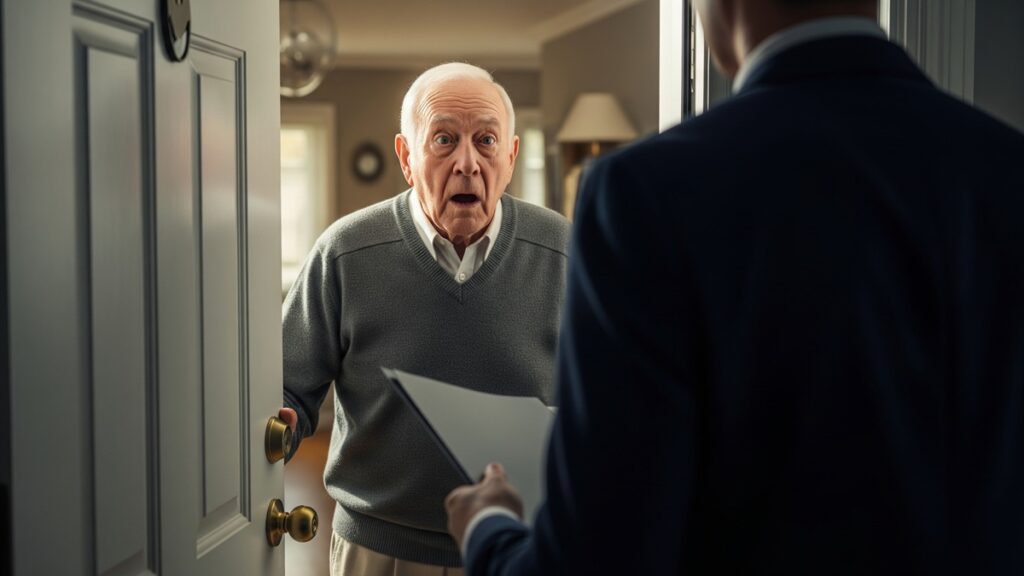
Imagine sitting at home and you receive an unexpected knock on the door. You answer and the person says they are a debt collector and want to discuss a debt you owe. While this is rare, it does not necessarily mean it is illegal.
If a collection agency knocks on your door and you answer, they are free to do certain things. This includes discussing your debt with you just as they would over the phone. They also must abide by all other rules under the FDCPA.
For instance, they cannot knock at your door at unusual times. If a collection agency knocks on your door at 5:00 AM, this is a violation. They also cannot continue returning to your house after you ask them to stop. If a collection agency knocks on your door multiple times a day, they are likely violating the FDCPA.
You have rights if a collection agency knocks on your door. This includes:
- Telling the debt collector to leave
- Refusing them entry into your house
- Declining to discuss your debt
What Constitutes Harassment Under the FDCPA?
One major goal of the FDCPA is to ensure that the relationship between a debt collector and consumer is professional and fair. The FDCPA accomplishes this by prohibiting several different types of harassment.
While knocking on your door alone is not a violation, what they say or do after that initial contact may be a violation. The FDCPA prohibits various forms of harassment. If during this in-person encounter, they begin to harass you, they may violate the FDCPA. This can include threats of violence, obscene language and other types of harassing and abusive behavior.
Note: The FDCPA only applies to third-party debt collectors. Original creditors are not covered under the FDCPA. In addition, this federal law only applies to consumer and not business debts.
How Can I Stop A Collection Agency From Harassing Me?
If the collection agencies’ in-person visits are harassing you, there are a few ways that you can stop them. Use the below options to stop a collection agency from in-person harassment:
- If you want to stop the harassing conduct you can send a demand letter to the collection agency outlining the behavior they must stop. Send the letter via certified mail in case you have to prove the collection agency received it.
- If you send the collection agency a cease-and-desist letter they must end all communication. Of course, this includes in-person communication.
- You can also notify certain federal agencies of the illegal behavior. For FDCPA violations, you can contact the Federal Trade Commission (FTC). You can also submit a consumer complaint to the Consumer Financial Protection Bureau (CFPB).
- To stop ongoing threats or recover any damages, file a lawsuit. If a court finds in your favor, the collection agency must stop their harassment and pay you certain penalties.
- You can also propose to settle your debt with the collection agency instead of filing a lawsuit. This may be a favorable outcome for both you and the collection agency.
Note: If you do not owe the debt in question you will also want to dispute it. When a collection agency sends you a validation notice, make sure you dispute the debt within 30 days.
Conclusion
While a debt collector can knock at your door, it is an unusual activity. Depending on what they do during this in-person visit, it may constitute harassment.
Whether the collection agency violated your rights depends on the specific facts of your situation. A consumer rights attorney can evaluate your situation and let you know if you have a case against the collection agency.
Additional Resources
About the author:
Sergei Lemberg is a consumer rights attorney, practicing since 2006, whose practice focuses on consumer law, class actions and personal injury litigation. He is known for a United States Supreme Court case (Facebook v. Duguid) defending consumers from autodialers under the Telephone Consumer Protection Act of 1991 to send unsolicited text messages. He is also the author of Defanging Debt Collectors, a book that teaches consumers how to battle debt collectors and win.
See more posts from Sergei Lemberg